


In the future global energy market, oil and gas will continue to play a significant role, particularly in the transition to a net-zero economy. While renewable energy sources like solar and wind are growing, oil and gas will remain critical for meeting energy demands in certain sectors, like the transportation and industrial processes Industries.
While electrification, biofuels and heat pumps are increasing, oil will likely remain a vital fuel for transportation, particularly in sectors like heavy-duty vehicles, aviation, and shipping, where alternatives are more challenging to implement. The oil and gas industry is also essential feedstocks for various industries, including plastics, chemicals, and pharmaceuticals, the world needs these to thrive in the related sectors, whether now or in the future. Other essential roles the oil and gas industrial sector is foreseen to play in the future are:
- Bridging the Gap
The oil and gas industry, especially with LNG, can serve as a bridge to a net-zero future by replacing more emissions-intensive fuels until renewable energy technologies can fully replace them.
- Base and Peaking Power
The oil and gas industry can provide reliable and cost-effective energy to support renewable energy integration, particularly for base and peaking power needs until renewables can fully meet these demands. This will likely require significant number of years from now.
- Supporting New Technologies
The oil and gas industry’s expertise and infrastructure can be leveraged to develop and deploy new clean energy technologies, including hydrogen production and CCUS which are still capital intensive and have lack sufficient maturity to be fully relied upon independently within the industry.
- Hard-to-Abate Sectors
By deploying the emerging and existing clean fuels (decarbonisation technologies), the oil and gas companies are well-positioned to help tackle emissions from sectors like heavy industry, shipping, and aviation, where decarbonization is more challenging.
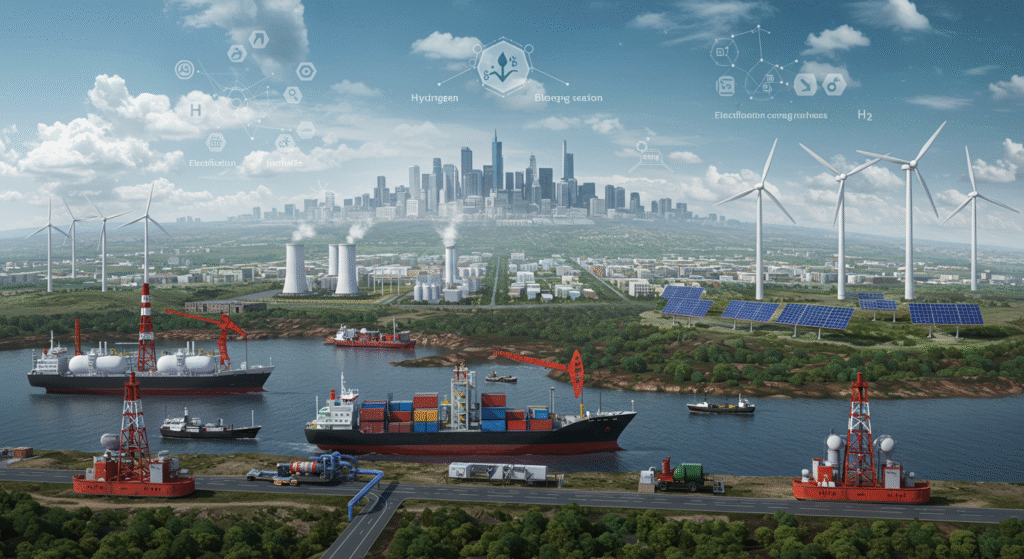
While significant efforts are being made by some oil and gas companies to reduce their carbon footprint by improving energy efficiency, managing methane emissions, and transitioning to low-carbon or renewable energy sources for its operations, some others are diversifying their portfolios by investing in clean energy systems as an effort towards integrating the renewable energy with their fossil fuel-based energies assets, recognizing that the future energy landscape will be a mix of fossil fuels and renewable sources.
With these, the oil and gas industry is still faced with challenges from the growth of renewable energy market: the relentless concern from the public about the environmental impact fossil fuels from the oil and gas industry is creating, and the build-up of pressure from regulatory bodies to reduce carbon emissions and environmental impact from oil and gas operations, pushing the industry to further intensify on their actioning of more decarbonisation solutions that would significantly reduce its carbon footprint.
Another challenge the industry is faced with is that the renewable energy technologies are becoming increasingly competitive, further reducing the market share of oil and gas and high lighting the impacts of the fluctuations in oil prices, these can impact profitability and investment decisions and put more pressure on the industry to reduce production costs and optimize operations if they must stay competitive.
There is also the challenge of integrating renewable energy into existing oil and gas operations and balancing shareholder expectation. Finding the right Company to create and maintain this balance at such a critical turn of the energy market is crucial to survival of the oil and gas industry players. RED Integrated energy, having a solid background and partnership within the oil and gas, and renewable energy space, has the key driving skills and capabilities to integrate fossil-based energy producing assets with the renewable energy, creating the essential balance for the future energy market.
In conclusion, the oil and gas industry has opportunities to play a critical role in the energy transition by embracing clean energy technologies and working towards a net-zero future while ensuring a clean, reliable and affordable supply of energy. The oil and gas companies possess the expertise and resources to develop and deploy technologies that are crucial for a net-zero future, such as hydrogen production, carbon capture and storage, and can support the clean energy technologies by collaborating with stakeholders to develop and scale up low-carbon technologies, providing opportunities to create viable business models for large-scale investment. They can address public perception about the industry in relation to climate change and shortfalls the industry has towards global warming issues by working with policymakers to create a stable and supportive regulatory environment that enables a smooth transition into what would become the future of global energy systems.